LIVING AS CHRISTIANS
Choose Your Friends Wisely
from Blogger http://meekspaceng.blogspot.com/2021/04/choose-your-friends-wisely.html

LIVING AS CHRISTIANS
from Blogger http://meekspaceng.blogspot.com/2021/04/choose-your-friends-wisely.html
APPLY YOURSELF TO THE FIELD MINISTRY
from Blogger http://meekspaceng.blogspot.com/2021/04/sample-conversations.html


Because in my place he asked them to read it aloud, so this did not come only through the sight but also through the ear and then I explain the text highlighting the key words by means of a question that will allow Coral to identify those words that according to this how we can get eternal life.
And this idea is interesting because sometimes we think that when reading a text we can highlight what is important, yes we will, but here the fact that the person sees the text with their own eyes can read it aloud makes this reading have power in She too.
If what Rita achieved is let’s say include Jehovah in a conversation between two, she allowed the influence of the Bible to enter that conversation and thus also give way to Jehovah’s views on respect.
If his way of reading showed that he was listening carefully and the words were making him reflect, also Coral also asked questions so if we are attentive to the way of speaking the modulation the concerns the questions we can reach the heart and answer what is really it worries you.
She also showed that what she had just read reached her heart for what reason or after reading it and she alone wondered and analyzed that how she is going to meet someone who is not even sure if they exist.
And as we saw at the end, this was even the reason for wanting to return one more time to continue learning from the Bible and it is something that caused a lot of happiness in Coral.
from Blogger http://meekspaceng.blogspot.com/2021/04/increase-your-joy-in-ministryuse-gods.html

Interview With Brother Dmitriy Mikhaylov
Brother Mikhaylov recalls how he was unlawfully arrested and detained in May 2018.
from Blogger http://meekspaceng.blogspot.com/2021/04/interview-with-brother-dmitriy-mikhaylov.html

from Blogger http://meekspaceng.blogspot.com/2021/04/apply-yourself-to-field-ministry.html

from Blogger http://meekspaceng.blogspot.com/2021/04/the-nations-will-have-to-know-that-i-am_19.html
Spiritual Gems: (10 min.)
What spiritual gems from this week’s Bible reading would you like to share regarding Jehovah, the field ministry, or something else?
from Blogger http://meekspaceng.blogspot.com/2021/04/numbers-2220-22why-did-jehovahs-anger.html

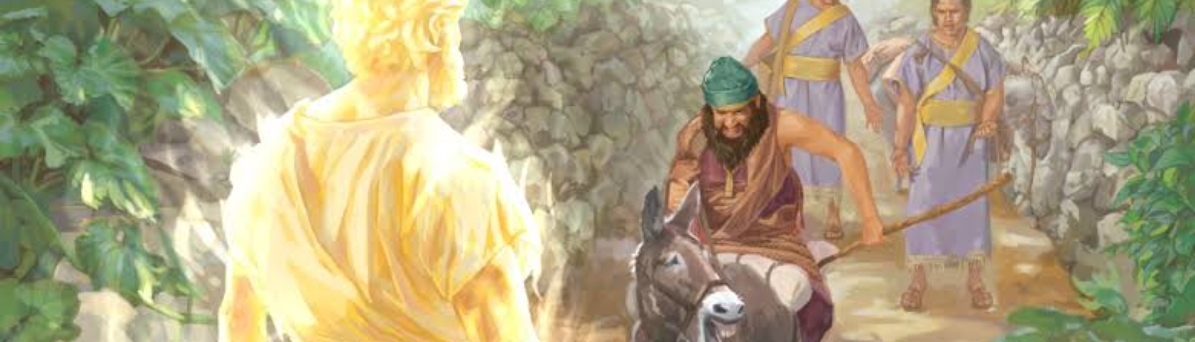
Numbers 20:4-5: A warning for us, we see the Israelites again blaming Moses and Aaron because the wilderness was not like the fruitful land because of a water shortage. Also in sense was accusing Jehovah did not know how to take care of his people. So, the question for us; will we be complainers when the new system comes because it not like we thought it should be or will we wait on Jehovah. (Ps 37:7; 42;11; 106:13; 130:5, 7; Ge 49:18; Mic 7:7)
Numbers 20:10-12: We need to try to control our anger because this could lead to bad consequences. As we see here because of this rebellious nation Moses and Aaron lost out in entering the promise land and eventually die. We to can lose out of in entering the promise paradise and to live forever if we do not control our anger and not doing Jehovah’s will. (Pr 2:21-22; Ps 37:9-10; 106:32-33; Eph 4:22, 24; Col 3:9-10; Gal 5:22-23)
Numbers 20:12: Jehovah is a God of justice and impartially. We see that Moses did not follow the instructions on get water out of rock and fail to give glory to Jehovah for the water. Some may feel that it wasn’t Moses fault because of Israelites hard headiness. As Luke 12:48 “the one who was put in charge of much will have more than usual demanded of him.” So Jehovah was fair in his judgment by give him the same judgment that all the other Israelites who disobey him that wouldn’t enter the promise land. Also Jehovah still spoke highly of Moses in Heb 11 showing Jehovah will not forget Moses when it time of the resurrection because of his faith. (Heb 11:23-27; De 32:4; Ps 33:25; Jas 3:28)
Numbers 20:14-21: Edom is another name for Esau, the twin brother of Jacob, so they were closely related. Life can be pleasant when members of a family deeply care about one another, yet we see this was not so here. We see here Edomites hate their brother and want them to die, maybe because they did not follow Jehovah or jealousies set in because he was the firstborn. Yet Jehovah told the Israelites at De 23:7 “You must not hate an Edomite, for he is your brother.) Yes, may we learn to love others, even those who may hate us. (1Jo 4:7-8; Mt 5:43-44; Ro 12:20; Pr 25:21-22)
Numbers 21:1-3: Jehovah knows how to save his people, as we see here when the Canaan attacks his people, Jehovah step end help them to defeated the Canaan. There is no army and powers on earth that can stop Jehovah from accomplish his will. This is why we need to put our trust and faith in the one that has shown over and over he can save his people. We can do this by doing his will and we will see the day then there is no more war. (Pr 2:21-22; Ps 37:9-10, 34; Isa 33:22; 12:2; Zep 3:17; De 20:4; Mt 7:21-23; 1Jo 2:17)
Numbers 21:4-5: Imperfect humans can lose their appreciation for things that become a routine part of life; even as we see here was a reflection of Jehovah’s love for the Israelites. Their example, therefore, serves for us a warning to not lose appreciation for his provisions. One way we can do this is by never allowing Bible teachings or the provisions we receive through the faithful and discreet slave class to become ordinary, or commonplace. Once we start to take Jehovah’s gifts for granted or become bored with them, our relationship with him could begins to cool off. (1Co 10:11; Ro 15:4; Mt 4:45; 24:12; 2Ti 3:1,4-5)
Numbers 21:5-8: There are consequences for those who make bad decisions. Like those who drink and drive when drunk can kill or cause great harm to themselves or other. Jehovah’s the great judge has made it known to those who stay on the spacious road can only lead to destruction. That is why it is important to learn about Jehovah will and then do it if we want life. (Mt 7:13-14; Acts 14:22; 1Pe 4:18; Lu 13:24; Isa 55:6; Pr 2:21-22 )
Numbers 21:14-15: The Scriptures refer to various books that the Bible writers used as source material. (Joshua 10:12, 13; 1 Kings 11:41; 14:19, 29) “The book of the Wars of Jehovah” was such a writing and contained a historical account of the wars of Jehovah’s people. The book of the Wars of Jehovah, seem to have been existing documents that were not inspired, and because of that Jehovah did not see to their preservation.
Numbers 21:21-35: Nations started to fall all because of Jehovah and because the Israelites were listing and doing what Jehovah told them to do. Likewise today, we need to listen and follow what Jehovah tell us to do from his Word, which we can be sure Jehovah will bless us in this life or the next that will come. (Heb 11:6; Isa 2:2-4; Pr 10:6-7; 28:20 )
from Blogger http://meekspaceng.blogspot.com/2021/04/numbers-2023-27what-lessons-can-we.html
CHAPTER 7
FOCUS: What we learn from Israel’s interaction with the nations that defamed Jehovah’s name
1, 2. (a) How had
Israel been like a lone sheep amid wolves? (See opening picture.)
(b) What did the Israelites and their kings allow to happen?
FOR hundreds
of years, Israel had been like a lone sheep amid a pack of wolves. The
Ammonites, Moabites, and Edomites menaced Israel on its eastern border.
The Philistines, constant enemies of Israel, maintained a foothold to
the west. To the north lay the city of Tyre, the rich and powerful hub
of a vast trading empire. To the south sprawled the ancient nation of
Egypt, ruled by its god-king, Pharaoh.
2 When
the Israelites relied on Jehovah, he protected them from their enemies.
Time and again, though, his people and their kings allowed themselves
to be corrupted by the nations that surrounded them. King Ahab is just
one example of such a weak-willed ruler. A contemporary of King
Jehoshaphat of Judah, he ruled the ten-tribe kingdom of Israel. He
married a daughter of the Sidonian king who controlled the prosperous
city of Tyre. That woman, named Jezebel, fanatically promoted Baal
worship in Israel and influenced her husband to contaminate pure worship on an unprecedented scale.—1 Ki. 16:30-33; 18:4, 19.
3, 4. (a) To whom did Ezekiel now turn his attention? (b) What questions will we consider?
3 Jehovah had warned his people about the consequences of disloyalty to him. Now his patience had finally run out. (Jer. 21:7, 10; Ezek. 5:7-9)
In 609 B.C.E., the Babylonian army returned to the Promised Land for
the third time. It had been almost ten years since their last invasion.
This time, they would tear down the walls of Jerusalem and crush those
who rebelled against Nebuchadnezzar. As the siege began and Ezekiel’s
inspired prophecies were fulfilled in grim detail, the prophet turned
his attention to the nations surrounding the Promised Land.
The nations that slandered Jehovah’s name would not escape the consequences of their actions
4 Jehovah
revealed to Ezekiel that Judah’s enemies would rejoice over the
destruction of Jerusalem and harass the survivors. But the nations that
slandered Jehovah’s name and persecuted or corrupted his people would
not escape the consequences of their actions. What practical lessons can
we learn from Israel’s interaction with those nations? And how do
Ezekiel’s prophecies regarding the nations give us hope today?
5, 6. What was the relationship between the Ammonites and the Israelites?
5 Ammon,
Moab, and Edom were, in a sense, blood relatives of Israel. Despite
their family ties and shared history, those nations built up a long
record of hostility toward God’s people and treated them with “utter
scorn.”—Ezek. 25:6.
6 Consider the Ammonites. They descended from Abraham’s nephew Lot through his younger daughter. (Gen. 19:38)
Their language was so closely related to Hebrew that God’s people could
likely understand it. Because of this family bond, Jehovah told the
Israelites not to initiate war against Ammon. (Deut. 2:19) Yet, in the days of the Judges, the Ammonites joined Moabite King Eglon in oppressing Israel. (Judg. 3:12-15, 27-30) Later, when Saul was made king, the Ammonites attacked Israel. (1 Sam. 11:1-4) And in the days of King Jehoshaphat, they again joined forces with Moab to invade the Promised Land.—2 Chron. 20:1, 2.
7. How did the Moabites treat their cousins, the descendants of Israel?
7 The Moabites too were descendants of Lot but through his older daughter. (Gen. 19:36, 37) Jehovah told the Israelites not to engage in war with Moab. (Deut. 2:9)
But the Moabites did not return the kindness. Instead of helping their
cousins, who were escaping slavery in Egypt, they tried to prevent them
from entering the Promised Land. Moabite King Balak hired Balaam to
curse the Israelites, and Balaam taught Balak how to lure the Israelite
men into committing immorality and idolatry. (Num. 22:1-8; 25:1-9; Rev. 2:14) For centuries the Moabites continued to oppress their relatives, right down to Ezekiel’s day.—2 Ki. 24:1, 2.
1, 2. (a) How had
Israel been like a lone sheep amid wolves? (See opening picture).
The nation of Israel was for centuries surrounded by enemies on all fronts. And not only for one enemy, but for several on many fronts and some very powerful and who hated this nation. To the east they had the Ammonites, Moabites, and Edomites. To the west the Philistines as old enemies. To the north a great commercial empire with Tire as its flagship city. And to the south, Egypt with a king who considered himself a god. As we see in the image, like sheep in the midst of wolves.
1, 2. (b) What did the Israelites and their kings allow to happen?
The Israelites and their kings did not stop being corrupted by other nations and did not trust or have the courage or courage to trust Jehovah and his word even though they have seen countless times that when the Israelites trusted Jehovah, he always protected them from your enemies. Even with those, they kept getting corrupted in a spiritual sense.
An example was with King Ahab and his wife, the daughter of the king of Sidon, Jezebel who did everything they could to corrupt pure worship through worship of false gods, through worship of Baal in Israel. Jezebel influenced her husband to make contamination of pure worship possible as never before.
3, 4. (a) To whom did Ezekiel now turn his attention?
Now Ezekiel focuses on the nations that were around the Promised Land and the corruption and evil that existed in them. Since no nation that had despised Jehovah’s name or persecuted his people, none would get away with it. These nations would rejoice at the destruction of Judah and make life miserable for the survivors, but there would be consequences for all.
The Babylonian army would destroy Jerusalem in 609 after having besieged it for almost ten years. In this year the walls were torn down and those who had revealed themselves to Nebuchadnezzar were destroyed. Everything was accomplished in detail as Ezekiel said. A moment that the enemies of Judah will have enjoyed very much but that now began its consequences.
3, 4. (b) What questions will we consider?
We will answer these questions: What practical lessons can we draw from Israel’s relationship with those nations? “,” And why does what Ezekiel prophesied about them fill us with hope? “
Relatives who treated Israel “with enormous contempt”
5, 6. What was the relationship between the Ammonites and the Israelites?
The Ammonites were descendants of Abraham’s nephew, Lot. So we see a fairly direct relationship, so much so that they possibly understood the language because they were so related. Jehovah, for this very reason, as related peoples that they were, told them not to go to war with Ammon. Which the Ammonites did not do the same and there were several attempts at oppression and even attacked Israel with Saul as king and also with Jehoshaphat.
The Israelites’ relationship with the Ammonites was such that even Jehovah, as we read in Deuteronomy 2:19, tells the Israelites not to attack or provoke the Ammonites, since their land is their property, so he has given it to them God. The Ammonites did not see it the same and attacked Israel and its promised land on several occasions.
7. How did the Moabites treat their cousins, the descendants of Israel?
The Moabites blocked their way when the Israelites were fleeing Egypt on their way to the promised land. Not only that, but the king of the Moabites, Balak at the time, hired Balaam to curse the Israelites and fall into sexual immorality and idolatry, they knew that would hurt Jehovah and all the people. As we have seen in Ezekiel 25: 6. The Moabites, cousins of the Israelites, also held enormous contempt for them.
Jehovah, as he did with the Ammonites, also gave the Moabites their portion of land as their property as we read in Deuteronomy 2: 9 and told the Israelites the same thing, not to attack or provoke, since that is not their responsibility. The Moabites forgot the goodness of Jehovah and did not return the gesture of kindness but instead lashed out at the Israelites.
from Blogger http://meekspaceng.blogspot.com/2021/03/the-nations-will-have-to-know-that-i-am.html


 MeekSpaceNG